
The ring is set to stay with you forever! and is the first sign of a wedding in progress.
Traditionally the man pops down on his knee and utters those life changing words, however sometimes it might be a little more spontaneous and you end up with a Haribo or a plastic ring pop, whichever way it happens that ring is setting up residency on the fourth finger of your left hand until death do you part.
For many prospective couples, the engagement ring will be the most treasured item on the wedding shopping list, and traditionally costing equal to approximately two months of the groom’s salary.
So you want to get it right? …
I thought so, savvy shoppers will steer clear of heavy discounts that could have had an unrealistic initial price, and instead shop at a reputable jewellery store where you may find yourself a better deal and a more precious diamond. I hear you say aren’t all diamonds precious? Well yes but not all are equal.
The Band
Firstly, you want to consider the band, your options are platinum, yellow gold, white gold or 925 silver. This usually depends on what other jewelry you wear, so if you are someone who wears a yellow gold necklace all the time, would you really want a white gold wedding ring?
Secondly, this can also depend heavily on your skin tone, now you might think this is strange but it is thought that white gold, platinum or silver suits people with cool skin tones which can be identified with (Blue veins). For others, yellow or rose gold suits warm skin tones and where you can see (green veins) i.e when looking on the inside of your wrist. So you are a lucky devil if you are neutral as you will have the pick of the bunch so hopefully you are not indecisive.
Lastly, think about the durability of the metal
- platinum is rarer, heavier and has more longevity than gold, however the price tag does reflect this.
- Palladium is a cheaper choice to platinum, it looks very similar but over time can age and form a patina which some people do find pleasant and vintage a bit like our photo booth!
- White gold rings are plated with Rhodium this is what gives it its lustrous shine however it will need to be replated from time to time, this isn’t too costly but some people find it a bother to keep up the maintenance on replating their ring every so often.
- Yellow gold is a very traditional alloy of gold and other metals and depending on the carat you choose the strength and colour will differ.
- Rose gold is a very romantic colour and is an up and coming trend however remember trends do not last forever but your ring will.
- Silver is a good choice if you are on a budget however please remember silver will tarnish or scratch easily therefore you can have it plated in rhodium to make it last a bit longer.
How do you get the Size of the Engagement Ring Right?
How do you slip that into a conversation? You don’t want to make it obvious but you want to get it right. So what do you do? You could plant an informant, a best friend or her mother to slip it into conversation, alternatively you can buy a ring measuring guide and slip it on her finger in her sleep but that’s a bit risky! The best option is to be prepared to get it resized, or pinch a ring from her jewellery box, if it’s worn on the fourth finger for your partner’s right hand it might fit the left hand, (but don’t lose it) and find a helpful ring adviser who can determine the size.
Other Stones
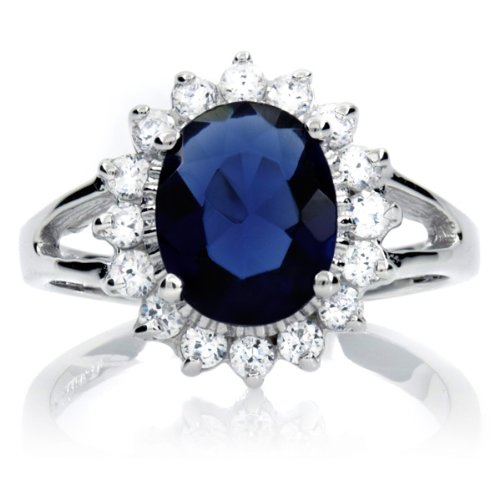
Diamonds come in clear, yellow, pink and even black colours and are thought to be a girls best friend! It doesn’t always have to be a diamond you may have seen your loved one sporting a different stone, a birthstone or a stone that means a lot to her, for example the beautiful blue sapphire ring worn by the Duchess of Cambridge given by Prince William to ensure that his mother would be with them on their wedding day, but remember other stones also have flaws and quality grading to look out for, and some flaws can be more obvious the bigger the size of the stone.
What do I need to know about Diamonds?
Firstly certification, the most prestigious birth certificate for a diamond to have is from The Gemological Institute of America, (GIA) certificate. This is a non profit diamond valuation organisation and the certificate must be kept safe, they would never issue a replacement certificate if it’s lost. If that’s case, not all is lost you can check the microscopic laser engraved number on the diamond with the online directory for checking GIA numbers, the exact version of your unique Hard Copy GIA certificate can still be viewed online here.
If you are buying an older diamond or a diamond without certification they can still be evaluated by other certification services however bare in mind sometimes different valuation services can provide slightly different opinions when it comes to colour and cut.
What are the 3 C’s?
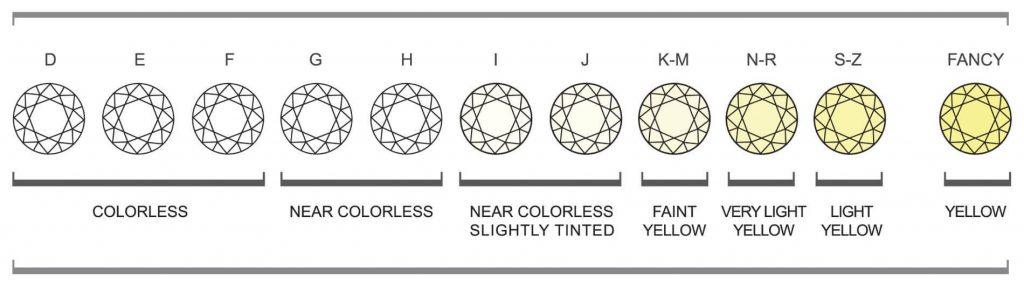
The Colour – The GIA universalised a grading system which is internationally recognised. This can range from pure clear to a kind of yellow not to be confused with a yellow diamond, the colour grade will scale from D all the way up to Z . Colour is a big factor of cost and bare in mind you might find going slightly up a colour will make no difference to the diamond with the naked eye but a big difference to your bank balance, some say that H is the lowest colour for yellow starts to show, but with the naked eye slight yellow may not show and some prefer to give a stone some warmth.

The Cut – this importantly informs you on how well the diamond’s angles will reflect light giving your diamond that sparkle and scintillation that you desire and even the clarity. The cut can range from excellent to poor depending on its weight, in relation to its diameter, its symmetry and how well the facets are polished. The laser cutting technique was introduced to the UK in 1967. You should get familiar with the Holloway Cut Adviser Tool and by placing the dimensions into the fields of depth, table, crown, pavilion and this will grade your diamond and determine the scintillation and fire. It’s important to know that not all “Excellents” are created equally and this tool can really help to determine a better diamond.

The Clarity – This indicates how many flaws a diamond might have, although not all flaws are created equally, clouds and twinning wisps are considered some of the worst types of flaws but it really depends on how much of it is on the diamond and where it is placed on the diamond, for example a small cloud near a deep facet is not as intrusive as a large cloud on the table i.e the surface.
The GIA clarity scale below will indicate the flaws. Diamond graders tend to use 10x magnification to determine this. VS2 and lower may start to show visible inclusions the clarity scale does affect the price greatly so you need to weigh up price vs any flaws, sometimes a beauty spot adds a little character! Most commercial dealers will take advantage of the fact that flaws are hard to see with the naked eye and flaws are even more difficult to see under the shop lights where they can be hidden by the sparkle, it’s best to also check a diamond in natural light if you can.

What is Diamond Fluorescence?
This can come in yellow green red white or blue, however blue is the most common found in a diamond. Fluorescence is a hue / change in appearance emitted under UV. It is thought that around a third of diamonds have fluorescence and it is certainly something to be aware of.
Fluorescence on a certificate can make a diamond approximately 20 – 30% cheaper and can be seen as undesirable for diamonds with a brighter colour i.e H and above. If a diamond has fluorescence you will see a change in its appearance under natural sunlight, it may present a grey hue in the diamond or slight cloudiness when reacting with UV light. For diamonds lower down the colour scale i.e more yellow then a slight presence of fluorescence can actually make a diamond appear brighter and more white but the fluorescence will still change the diamonds colour under UV sunlight, indoors though and under indoor lighting the colour will look brighter.
When buying a diamond make sure you are clear on whether it has fluorescence and if it does make sure you get that discount.
What are my options for the diamond shape?
Below are the common shapes, and this can determine the number of facets and sparkles, unless specified as a preference some shapes are more timeless than others. If you go for a marquese you can buy lovely wedding bands to link in. Brilliant Round is considered to have the most sparkle due to the greater number of facets also with some particular shapes such as a Emerald cut that doesn’t have many facets or a Princess cut with a large open area on the table, you might not get away with disguising those flaws so easily.

The Size of the Diamond
Size will depend on whether you are going for a cluster look of smaller diamonds; these can be more cost effective as the 3 c’s tend to not matter as much in this instance. The larger the diamond the more the 3 c’s become important. Also, you may need to consider your wife’s occupation if she works in healthcare she might need something smaller to fit under a glove. Going too big can also make a diamond look fake and people might start thinking it’s one of the very good russian counterfeits out there, so it may be best to keep it modest. Also, consider the width of your partner’s finger, a larger finger width will make a small diamond look smaller. The size should reflect lifestyle.
Top Tip – choose a more simple setting to make a larger diamond stand out and remember a larger diamond should have more claws for protection. For a Brilliant Round the Tiffany setting is often the most popular, it has six claws and can provide an extra width to your diamond in a Hexagonal frame, rather than a 4 claw which may make a smaller diamond look square.

Will she love me more the bigger the diamond?
No, she will love you more for the meaning and sentiment, and probably for the fact that you are savvy with your spending.
Final Thoughts
Don’t just take our word for it our speciality is the photo booth hire for the many weddings around Bournemouth and Dorset not diamonds. Do some more research as it’s good to gain as much knowledge as you can before you commit to buying the ring, remember it’s a purchase for life.
Lastly to keep that lustre ensure to buy a reputable diamond cleaning agent you can usually buy this from a jewellery store. And think about insurance, it’s worth speaking to an insurer to get some advice.